Wudirexalgesture workshop

A WORKSHOP FOR CHARACTERS WITH WEIGHT

Make the
choice travel
through the body.

Wudirexal develops characters through the decisions that an audience can feel: where a gesture begins, what a pause protects, how a joint receives force and how a pose finds its way back to rest.

Enter rehearsal
POSEHINGERELEASE
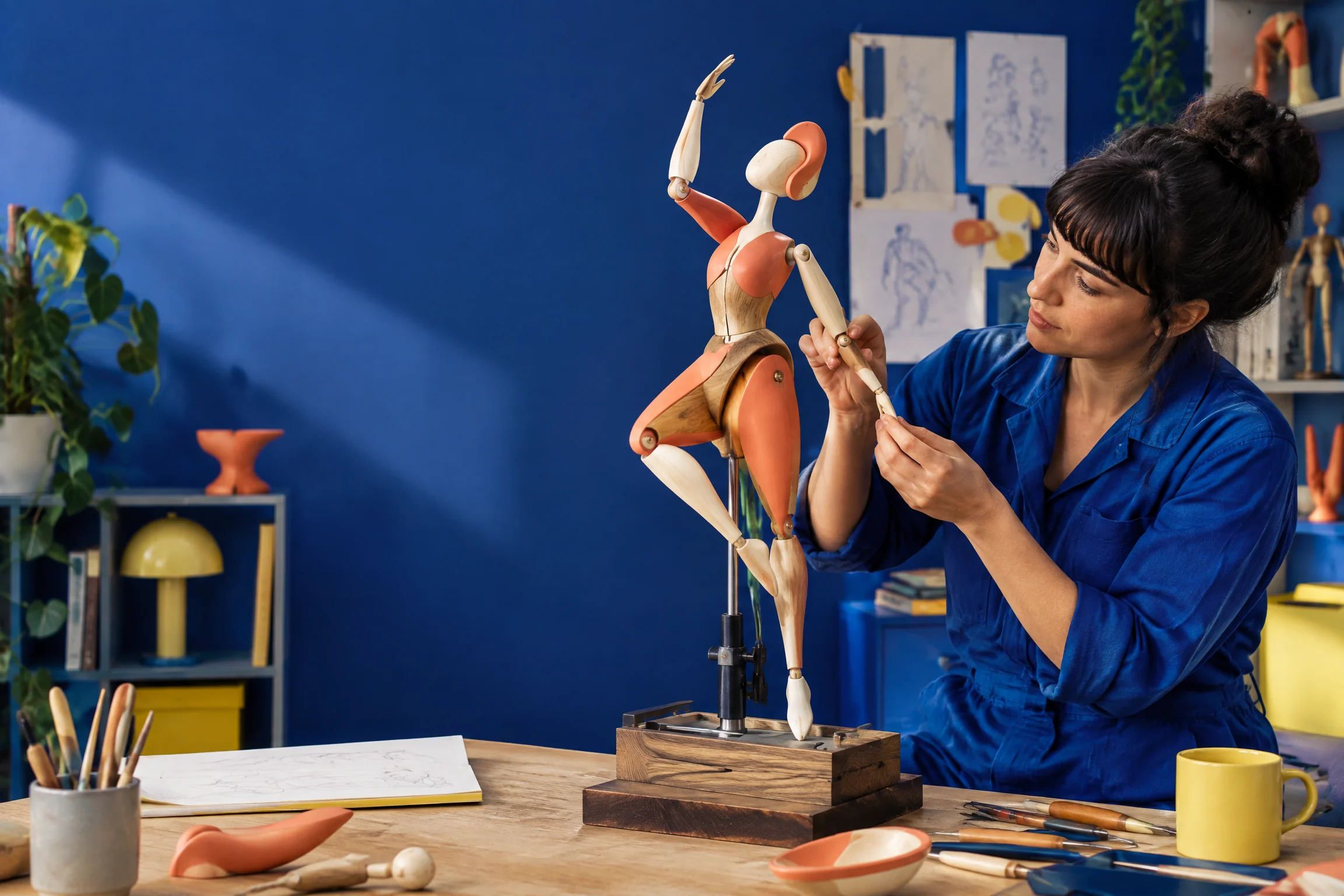
Animator adjusting an articulated puppet sculpture
START WITH THE CHOICE THE CHARACTER NEEDS TO MAKE.

02 / POSE CUE BOARD

A character
needs a reason
to move.

Choose the current pressure. These cues help locate the craft question before a character is asked to perform an answer.

REHEARSAL CUE

The pose says what happened, not what is happening

Look for the present-tense choice: what is changing in the body now, and what force or thought is making that change necessary? A clear pose is an action held long enough to read.

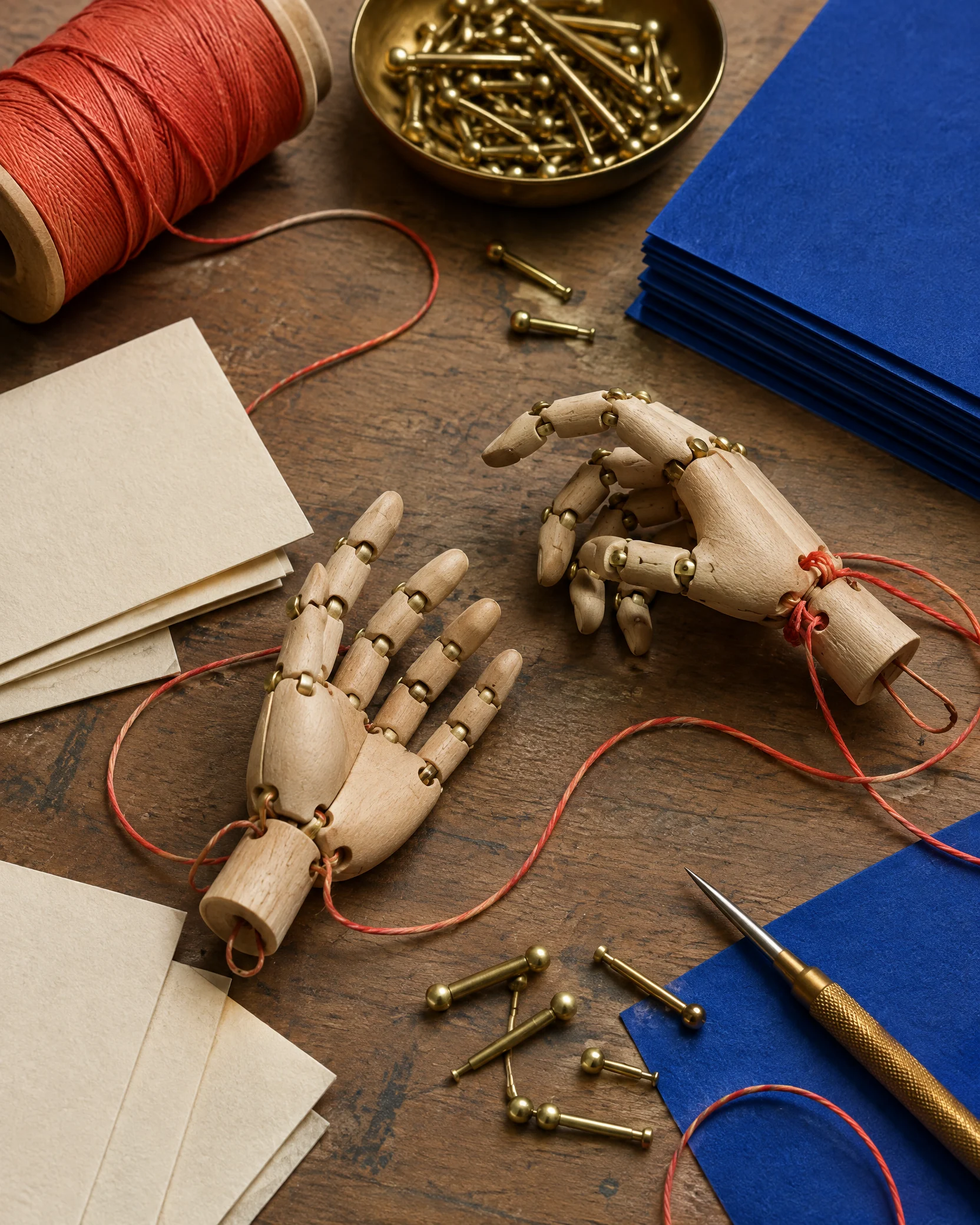
Articulated puppet hands and coral thread on studio table

03 / MATERIAL TRAY

Rig the
relationship, not
just the part.

A joint is a promise between pieces of a character. Good rigging makes the promise clear: where force can travel, where it stops, what changes together and how a performer can return without hunting for the character again.

RANGEWhat is genuinely possible?
RESISTWhere should motion feel held?
RETURNHow does the form find rest?

04 / LINE-UP STUDY

Read the
performance from
more than one pose.

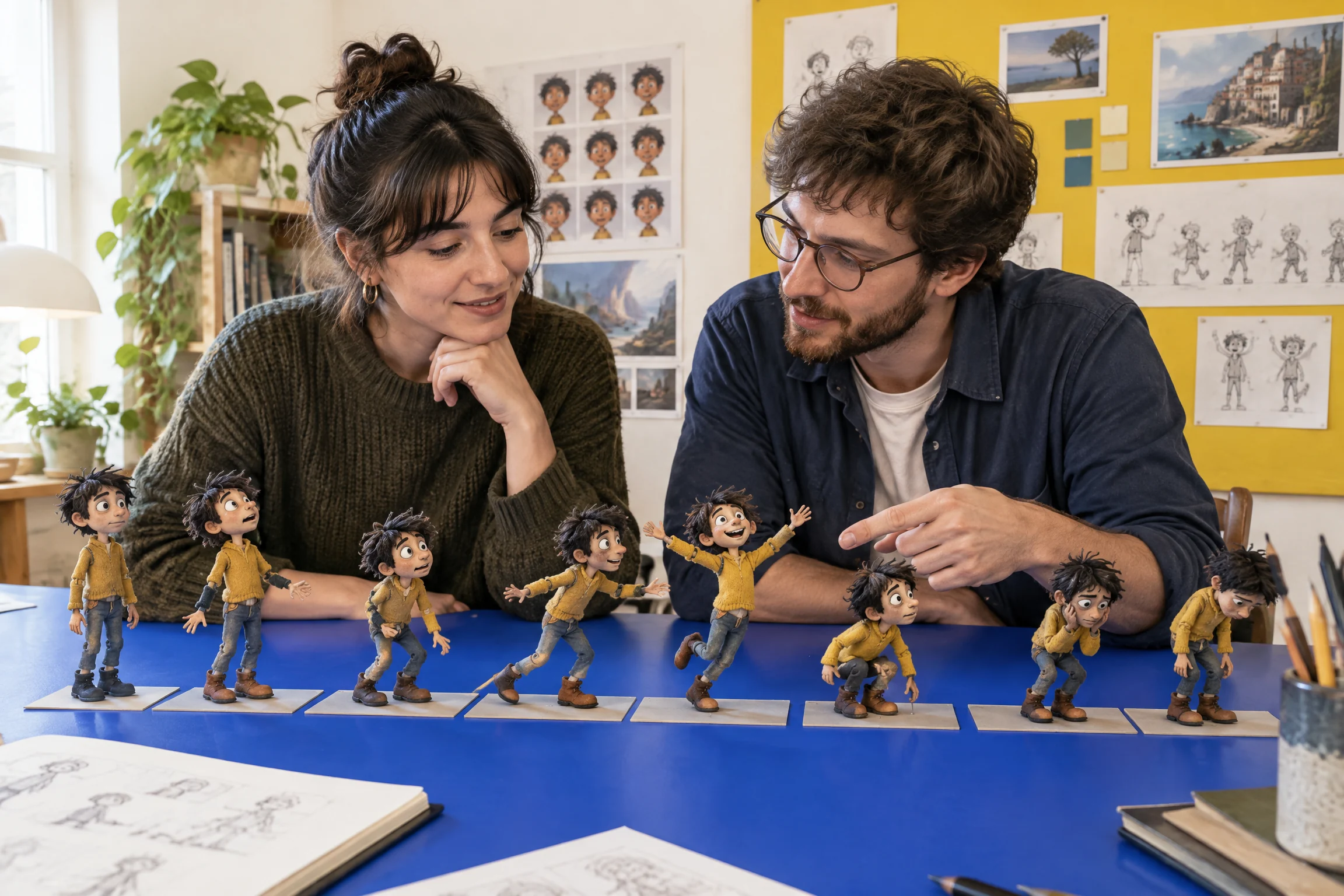
Animators reviewing sequence of puppet poses
THE SILHOUETTE CAN SHOW WHAT THE DIALOGUE HAS NOT SAID.
BEFORE

What does the body expect?

TURN

Where does the choice become visible?

AFTER

What has changed in the balance?

05 / HINGE ROOM

A rig is a
rehearsal space
for cause.

Open a hinge to examine a common rigging question. The goal is not more controls; it is a relationship the performer can use without breaking the character’s logic.

Weight

Let the line of action, support and delay tell the same story. If a part follows, give it a reason to follow.

Focus

Give attention a route through the head, chest, spine and hands rather than asking one control to carry an entire thought.

Recovery

Build a way home. A character becomes more usable when the performer can return from an extreme with intention.
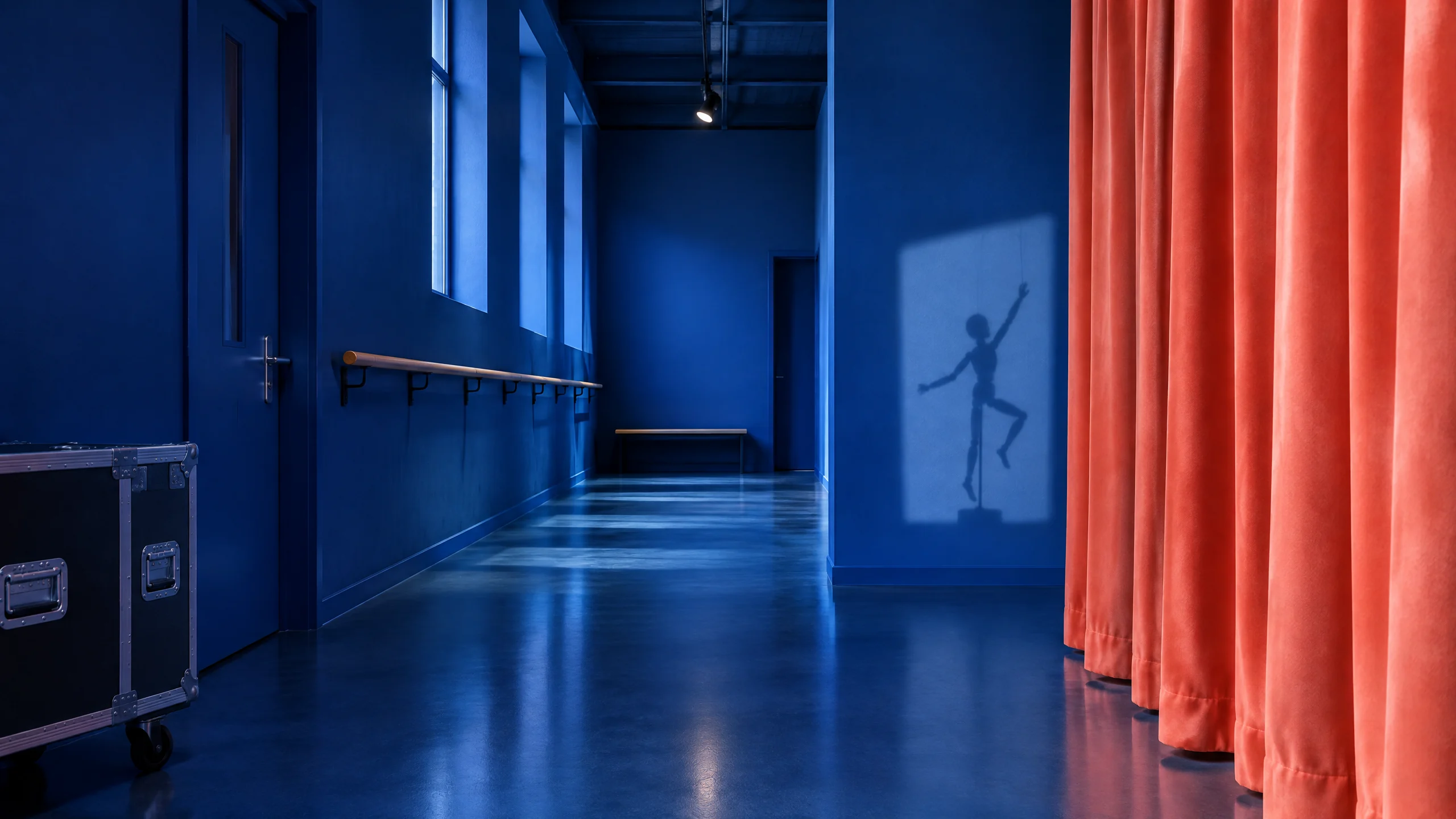
Cobalt rehearsal corridor with coral curtain
THE BEST HINGE LEAVES A CHARACTER WITH A WAY BACK.
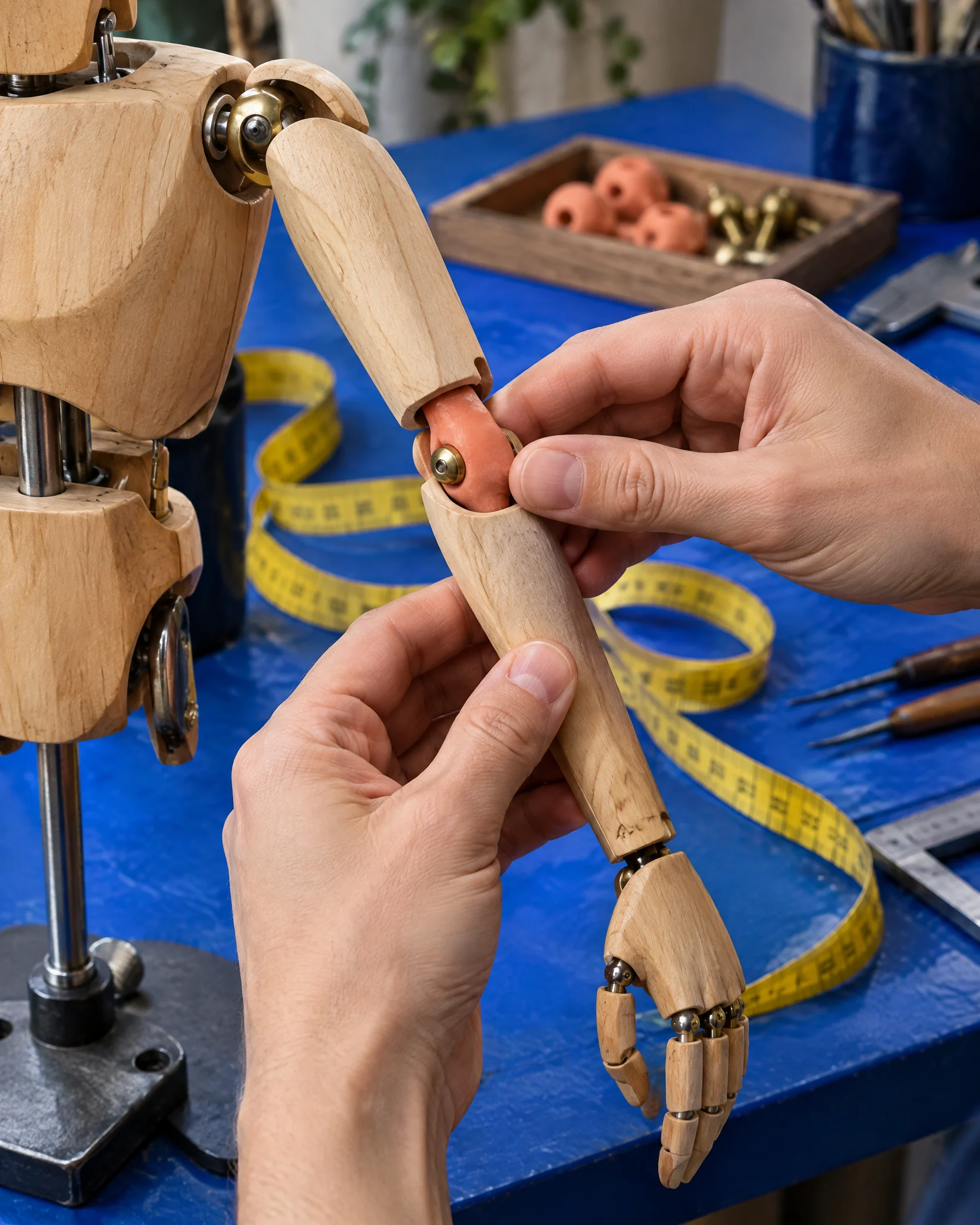
Hands adjusting puppet joint on cobalt bench
TIME IS PART OF THE RIG.

06 / TIMING STRIPS

Put time
between the
intention.

Select a cue to frame the timing problem. These strips are a rehearsal vocabulary, not an automated animation prescription.

ANTICIPATE / LET THE BODY PREPARE

Use preparation to show what the body is about to spend. Keep it proportional to the character and the action, so it creates attention rather than a generic wind-up.

07 / MOVEMENT RACK

Keep the
working logic
near the shot.

A production rack holds the information a collaborator needs to pick the work up without guessing: the character’s action, rig condition, visual reference, timing question and the next review.
RACKHOLDSRETURNS
ActionWhat the character is doing nowA readable intent
RigThe controls and limits in playA safe range
ReviewThe question for the next passA focused note
ContinuityWhat carries into the following shotA usable handoff
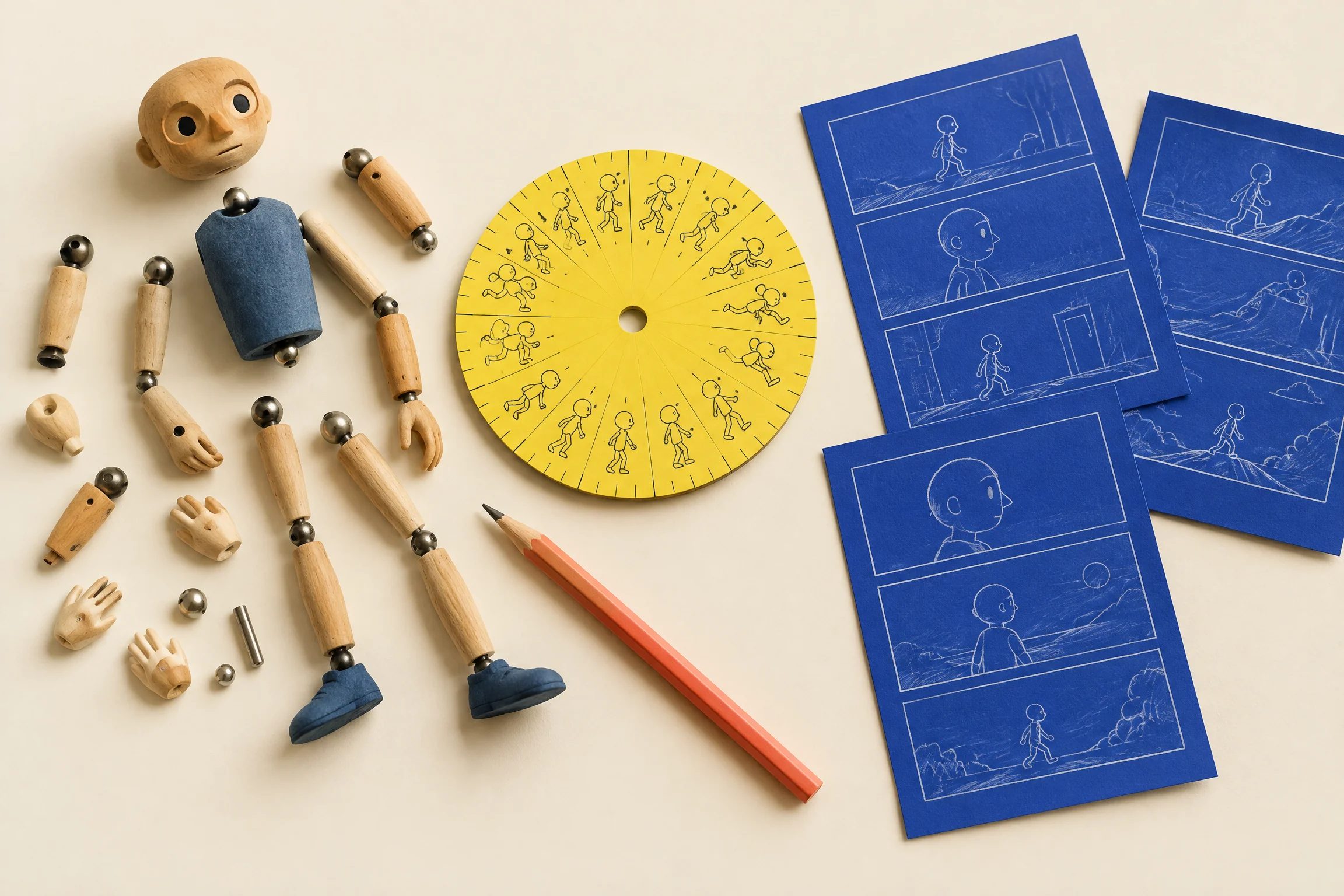
Puppet parts and timing objects on cream table
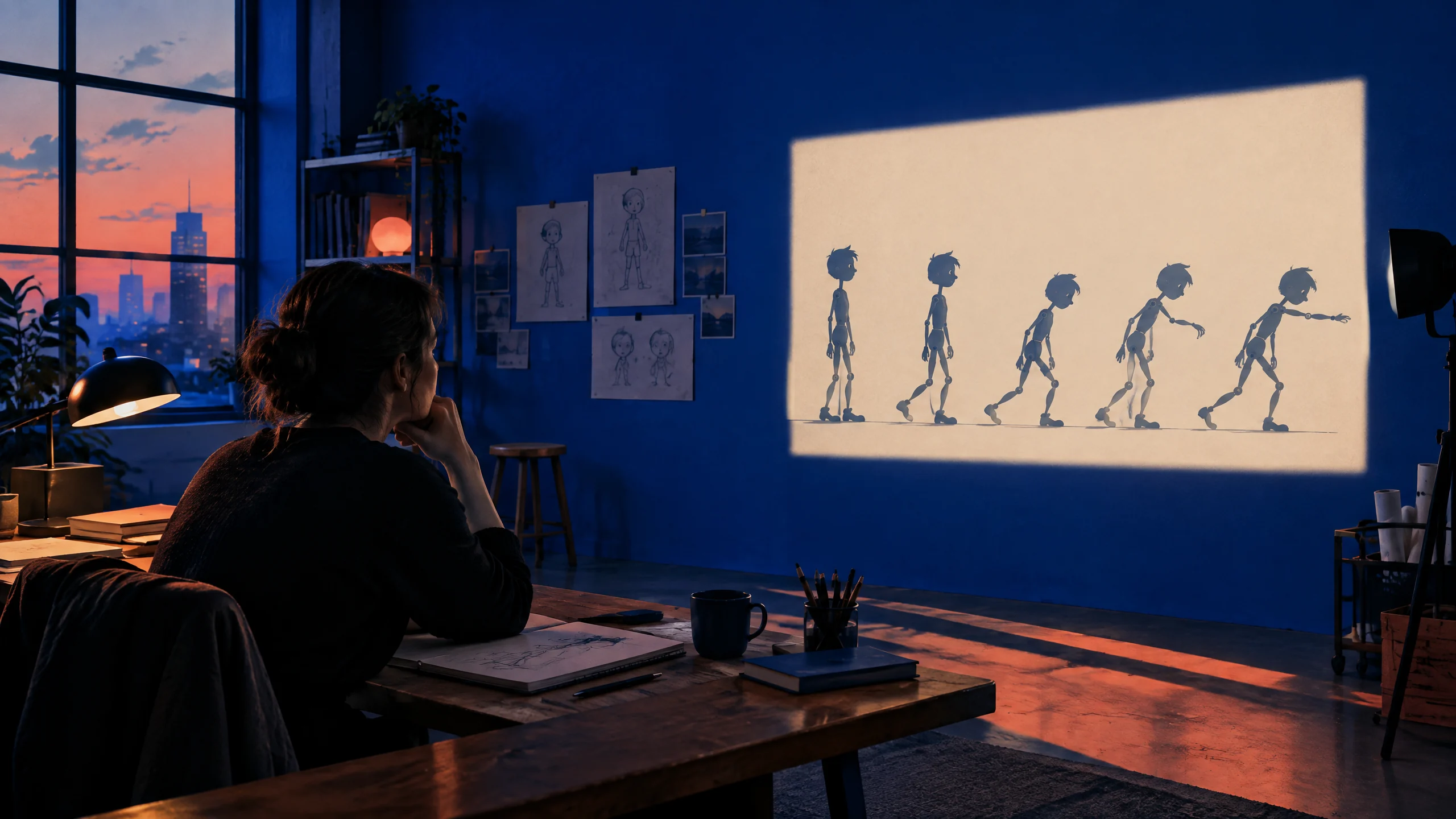
Animator watching character silhouette rehearsal

08 / CHARACTER CLINIC

Find the
smallest change
that makes the
thought travel.

Character work is often a precise revision, not a new performance. Choose a clinic lens for the next conversation.

GESTURE / LOCATE THE INTENTION

Use this lens when a character feels busy but unclear. We trace the main thought through the body and remove or redirect movement that does not serve it.

09 / CALLBOARD

Questions for
the next pass.

Wudirexal is suited to character work that needs a more legible physical choice: an animation pass is active but unclear, a rig has controls without a usable performance logic, a sequence needs continuity, a design needs a movement test or a team needs to isolate the part of a character’s mechanics that is making performance difficult. The best starting point is a real shot, gesture or physical question.

Yes. Work can begin with a new character, an existing rig, a design exploration, a shot sequence, a prototype or a specific performance problem. The appropriate scope follows the condition of the asset, the production context and the next decision the team needs to make. Any supported formats, access needs and delivery conditions are agreed before a project begins.

Feedback is organised around what an audience can read: the present action, body mechanics, timing, focus, continuity and the recovery after a choice. Rather than turning a review into a vague list of preferences, Wudirexal identifies the frame or relationship that needs attention and describes a next pass that can be tested in the work. The aim is useful craft language, not a claim of a universally correct performance.

Bring the character or movement question: a brief, a sequence description, a clip context, a rig note, a design image or the part of the production where the work has become hard to read. Polished material is not necessary. Please do not send unlicensed assets, private credentials, personal data or confidential production records through the public form.
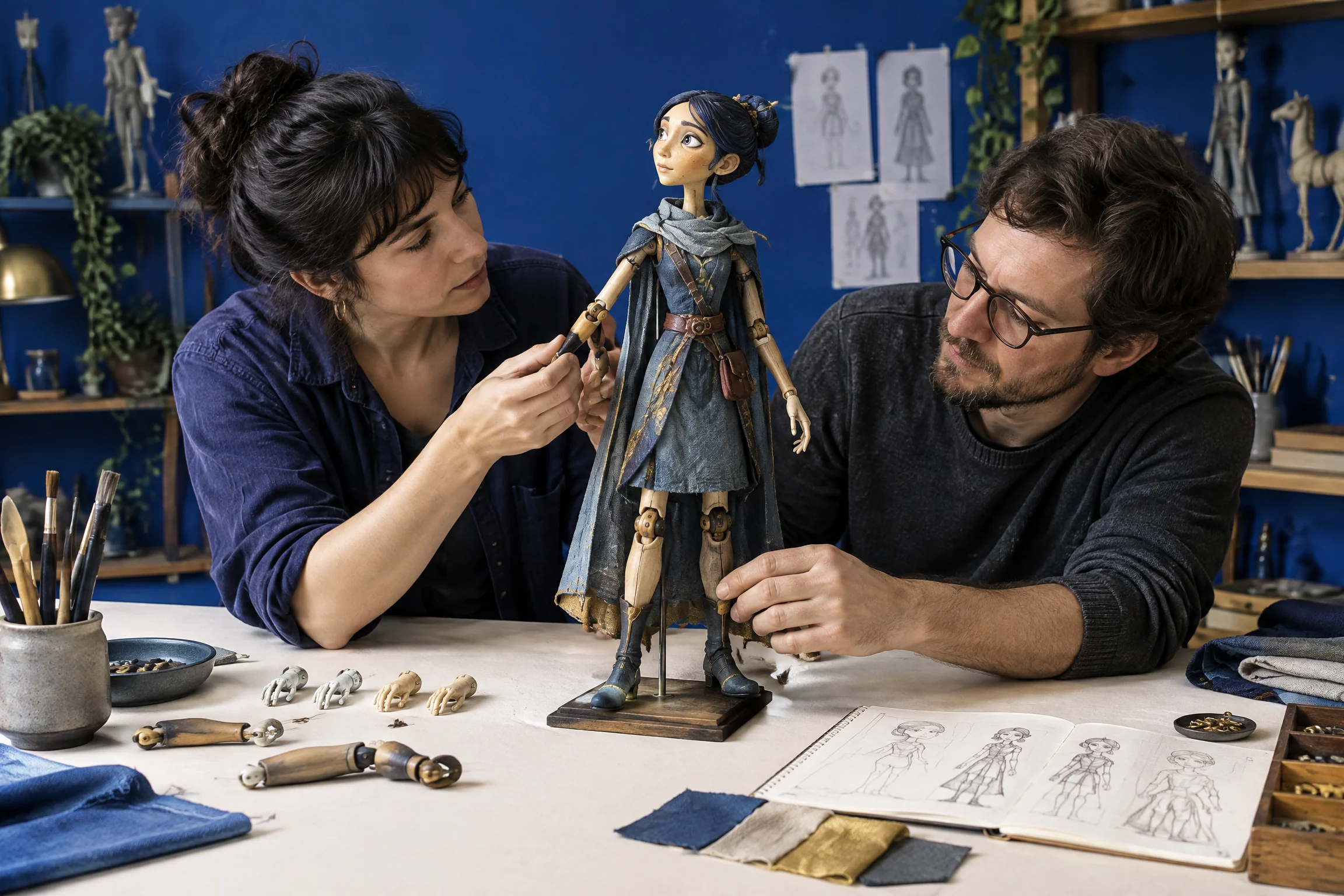
Two animators inspecting an articulated puppet character
LET THE RIG AND PERFORMANCE MEET AT THE SAME TABLE.

10 / PROJECT CALL SLIP

Put the
movement question
on the slip.

Describe the character or rig condition that needs a clearer rehearsal. This is an enquiry, not an automated quote or production commitment.
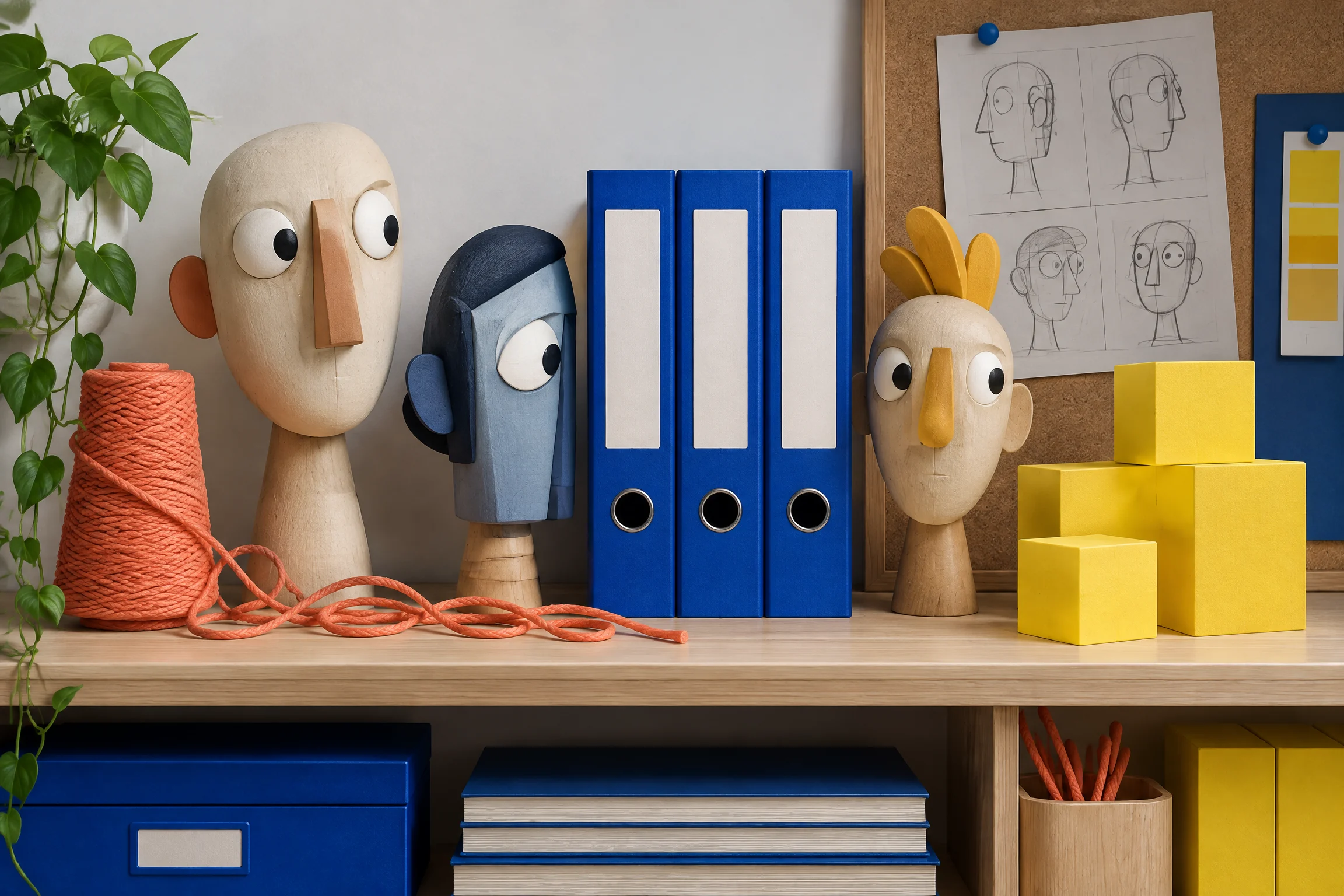
Studio shelf with puppet heads and cobalt folders
BRING A REAL CHARACTER QUESTION, NOT A PERFECT BRIEF.
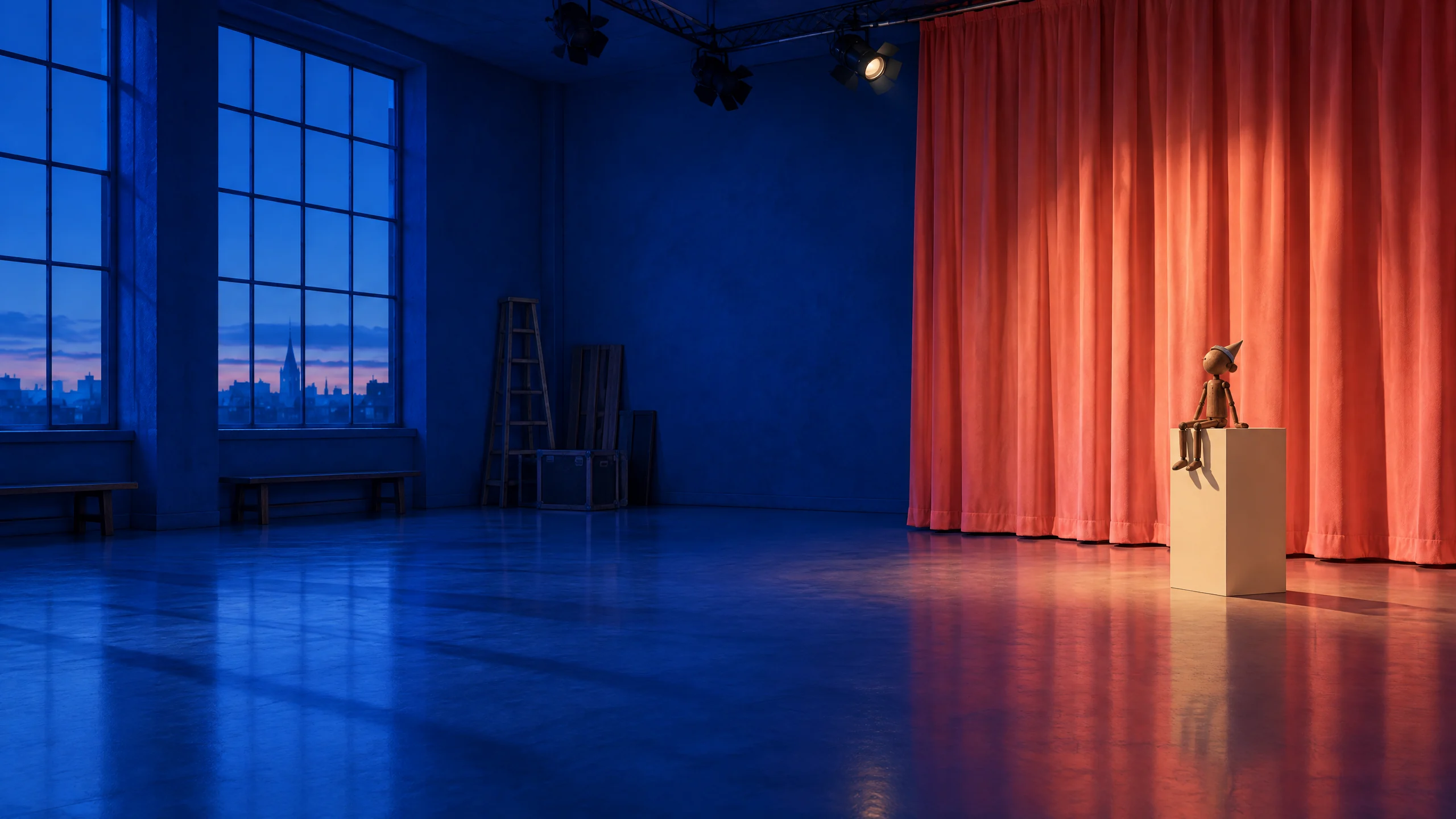
Empty cobalt rehearsal bay with coral curtain
WDR / GESTURE WORKSHOP

Keep the
choice clear.
Let it travel.

Return to rehearsal wing